Few things cause more anxiety for patients or parents than seeing a high temperature on the thermometer. But medically, the exact number is often less important than how the patient looks and behaves.
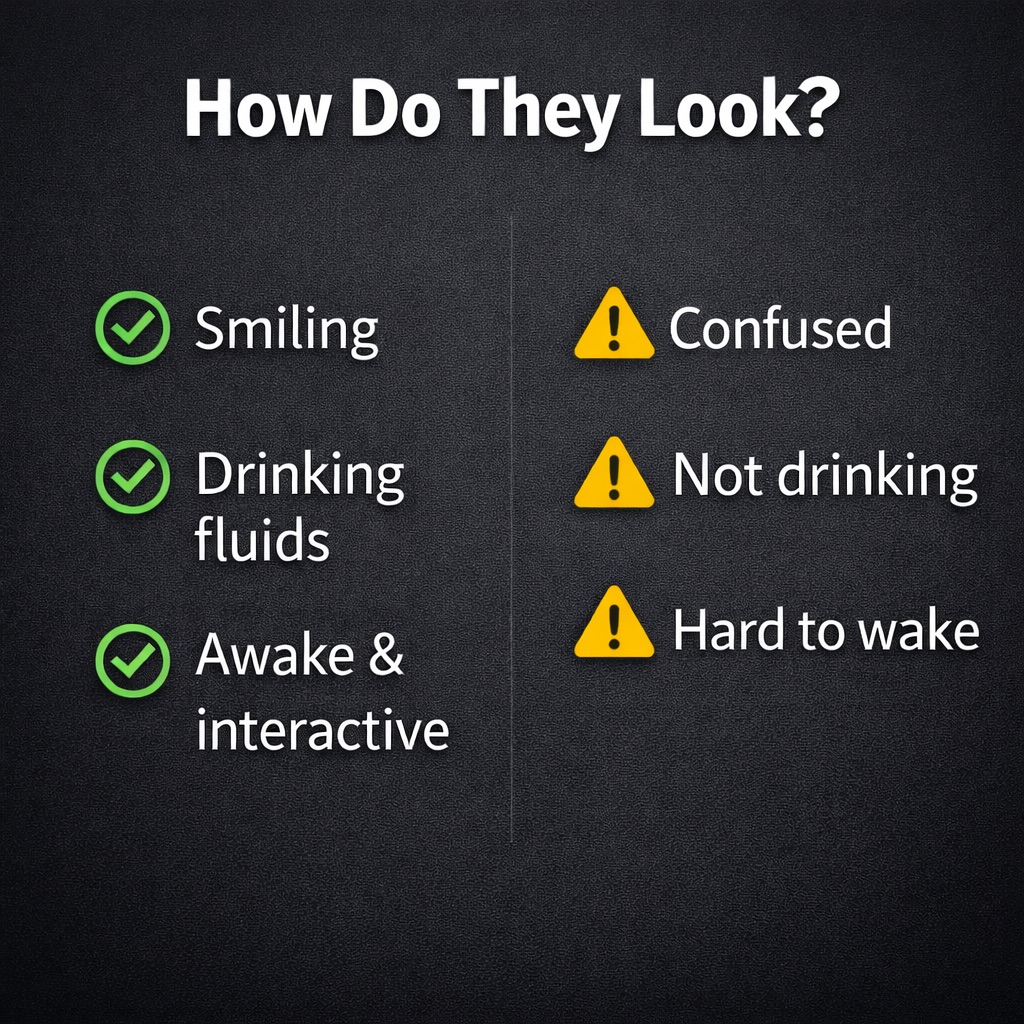
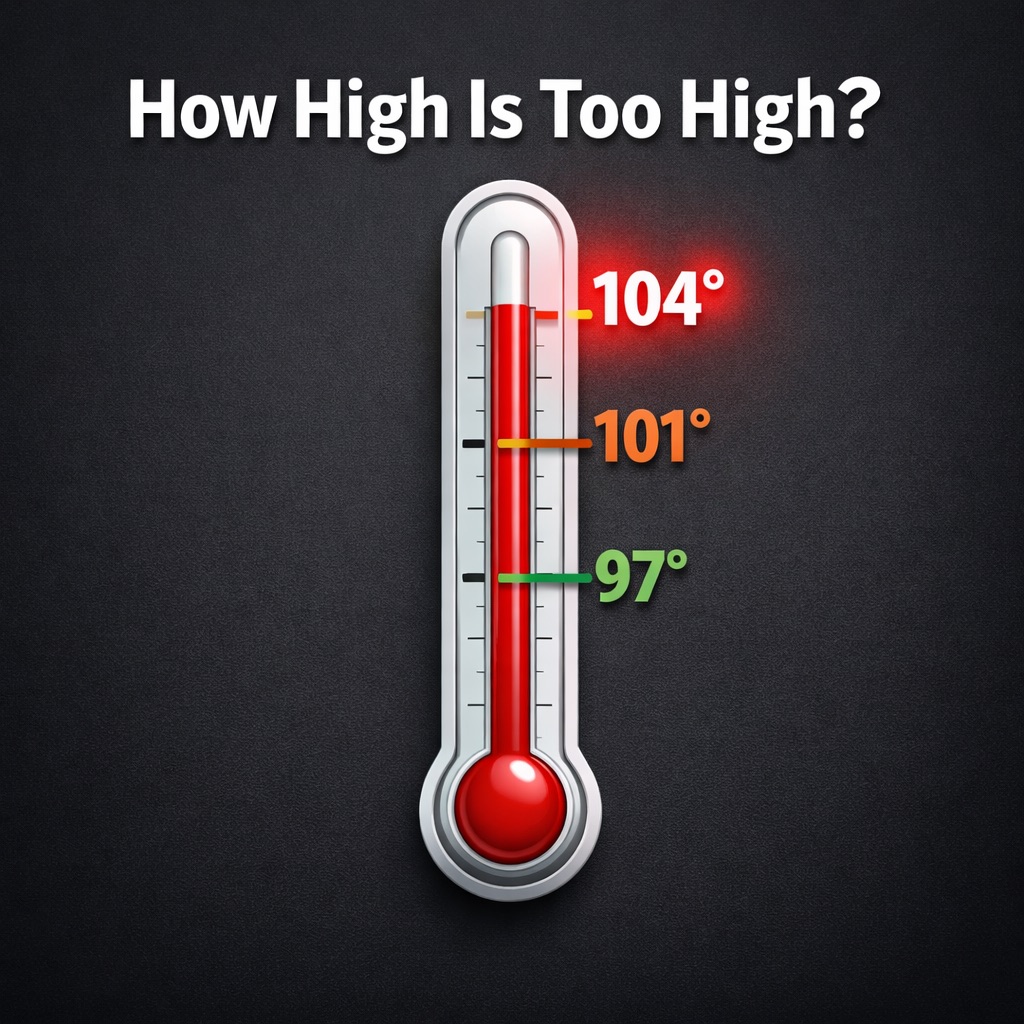
In most patients, fever is a normal immune response. A child with a temperature of 103°F who is smiling, drinking fluids, making eye contact, and interacting normally is usually less concerning than a child with a temperature of 100.4°F who is lethargic, not drinking, difficult to arouse, or appears ill. Clinically, appearance and behavior matter more than the thermometer alone.
There is one major exception: any infant under 2 months old with a documented temperature of 100.4°F (38°C) or higher should be evaluated in the emergency room, not urgent care. Young infants require specialized lab testing and cultures that can’t typically be done in an outpatient clinic.
For many patients, fever reducers such as acetaminophen or ibuprofen can help improve comfort. Some people respond better to one than the other. It is generally acceptable to alternate them if needed (not given at the same time), but the goal is comfort — not simply chasing a lower number. The increased temperature actually helps the body fight off infection more efficiently. We typically recommend lowering the fever for patient comfort- a lot of times appetite and activity will improve as the temperature comes down.
Most of the time the fever itself is not dangerous, we’re more concerned about what is causing the fever. At Watkinsville Urgent Care we can quickly evaluate the fever and underlying symptoms to help identify the source. We have laboratory testing, XR, and even PCR (in house and send out) to help identify the cause and get you back on track to recovery quickly. We even carry many of our common prescriptions in house as a convenience so you can skip the pharmacy trip.