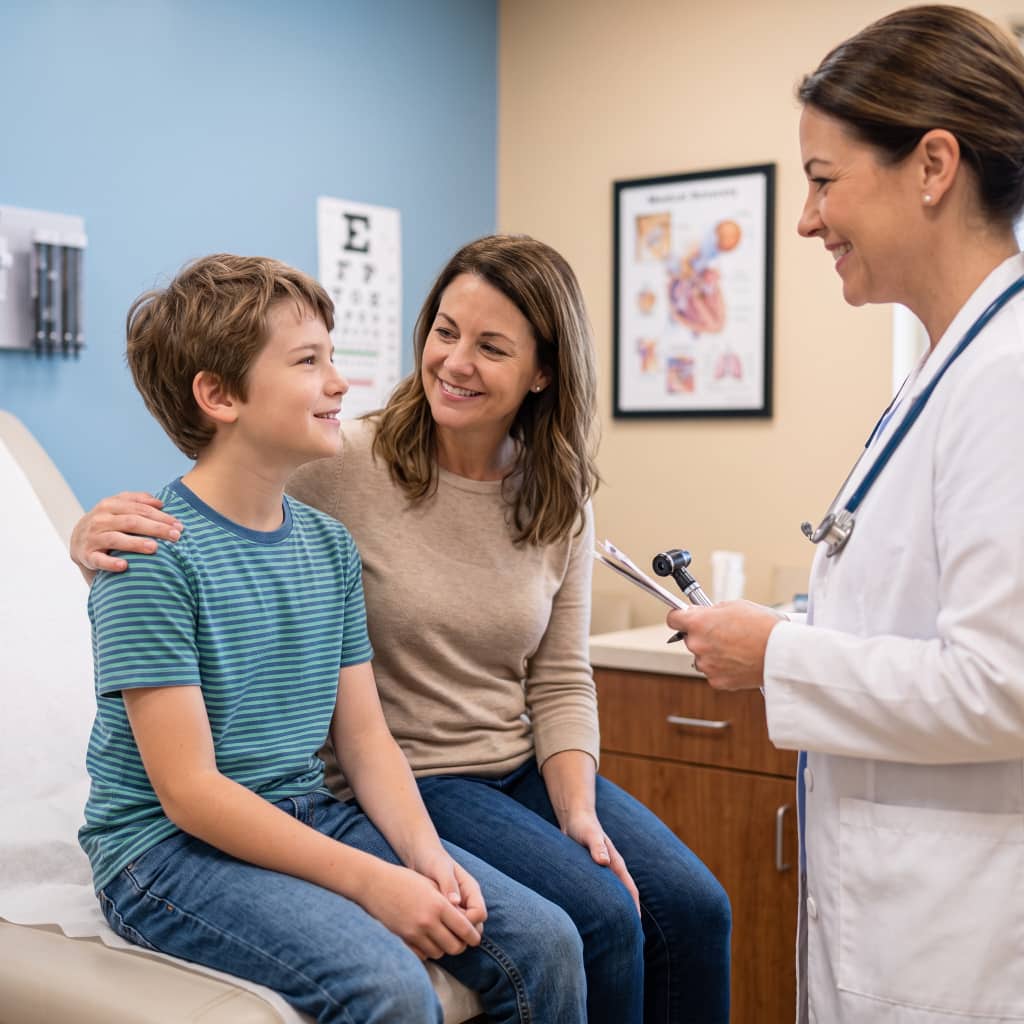

When kids head back to the classroom, they bring home plenty of excitement, stories, and—without fail—a fresh crop of seasonal germs. If it feels like your household goes from one sniffle or stomach bug to the next every autumn, you are not alone.
Understanding the Classroom Germ Surge
Every fall, medical providers see a distinct uptick in childhood illnesses. Classrooms and playgrounds are ideal environments for microbes to spread: kids share desks, art supplies, and cafeteria tables, all while spending long hours together indoors. According to the Centers for Disease Control and Prevention (CDC) and the American Academy of Pediatrics (AAP), the most common culprits during the early school year include respiratory viruses (like rhinoviruses, enteroviruses, flu, and RSV), bacterial infections like Strep throat, and highly contagious gastrointestinal bugs like Norovirus.
Differentiating between a simple viral cold and something that requires targeted treatment can be tricky. Viral respiratory infections usually bring a runny nose, mild cough, sneezing, and low-grade fatigue. On the other hand, bacterial infections like Strep throat often present with a sudden, painful sore throat, difficulty swallowing, swollen lymph nodes, and fever—typically without the typical cold symptoms like a cough or nasal congestion. Strains of stomach viruses often cause sudden onset nausea, vomiting, or watery diarrhea.
Knowing when to keep your child home is one of the most effective ways to break the chain of transmission in schools. Medical guidance from the CDC recommends keeping children home if they have a fever (100.4°F or higher), have vomited more than twice in 24 hours, have diarrhea, or are too fatigued to comfortably participate in classroom activities. A general rule of thumb for returning to school is that your child should be fever-free for at least 24 hours without the use of fever-reducing medications like acetaminophen or ibuprofen, and their symptoms should be consistently improving.
At Watkinsville Urgent Care, our team’s extensive Emergency Room background gives us deep experience in evaluating pediatric illnesses quickly and accurately. We provide on-site rapid testing for Strep throat, Flu, RSV, and COVID-19, so you don’t have to guess what’s causing your child’s symptoms. We have many common prescriptions available in house so you can head straight home and skip the trip to the pharmacy. We can evaluate mild-to-moderate dehydration, provide prescription treatments when indicated, and give you clear recovery guidelines to get your student safely back to class.