
Vomiting and diarrhea can turn an ordinary day upside down. A stomach virus is one possible cause, but foodborne illness, medication effects, and other conditions can cause similar symptoms. The most useful questions are how you’re feeling overall, whether you can keep fluids down, and whether any warning signs are developing.
Start with hydration
Vomiting and diarrhea can cause you to lose fluid and important salts. If symptoms are mild and you’re able to drink, try small, frequent sips instead of a large glass all at once. An oral rehydration solution can help replace what you’re losing, particularly when losses are substantial. Mix packaged products exactly as directed.
Once your appetite returns, you can generally resume your usual foods as tolerated. There’s no need to force a meal or follow a highly restrictive diet. For babies, continue breast milk or usual-strength formula and ask their clinician for advice about additional fluids.
Watch for dehydration
Pay attention to urinating less than usual, dark urine, a dry mouth, or dizziness. In children, fewer wet diapers, fewer tears, or unusual sleepiness can be concerning.
Get medical advice promptly if you can’t keep enough fluid down, dehydration symptoms develop, or symptoms are worsening. Infants, older adults, pregnant people, and people with weakened immune systems or significant health conditions should seek advice earlier. You don’t need to wait a set number of days if you’re getting worse.
When should I come in?
Persistent vomiting, frequent diarrhea, fever, or symptoms that aren’t improving deserve a conversation with a clinician. Adults should seek care for vomiting lasting more than two days; children may need evaluation sooner. Blood or pus in stool also requires prompt assessment.
Tell us when symptoms started, how often they’re happening, and whether you’ve been able to drink and urinate. Recent travel, antibiotics, new medicines, and others who became sick after sharing a meal are useful details.
Depending on the examination, treatment may involve hydration guidance, medication for nausea, or further testing. IV fluids are available at Watkinsville Urgent Care when clinically appropriate, but not everyone needs them. Antibiotics don’t treat viral gastroenteritis.
When should I go to the ER?
Seek emergency care for sudden severe abdominal pain, vomiting blood or material resembling coffee grounds, green vomit, confusion, or difficulty waking. Call 911 for collapse or severe breathing difficulty.
Help keep it from spreading
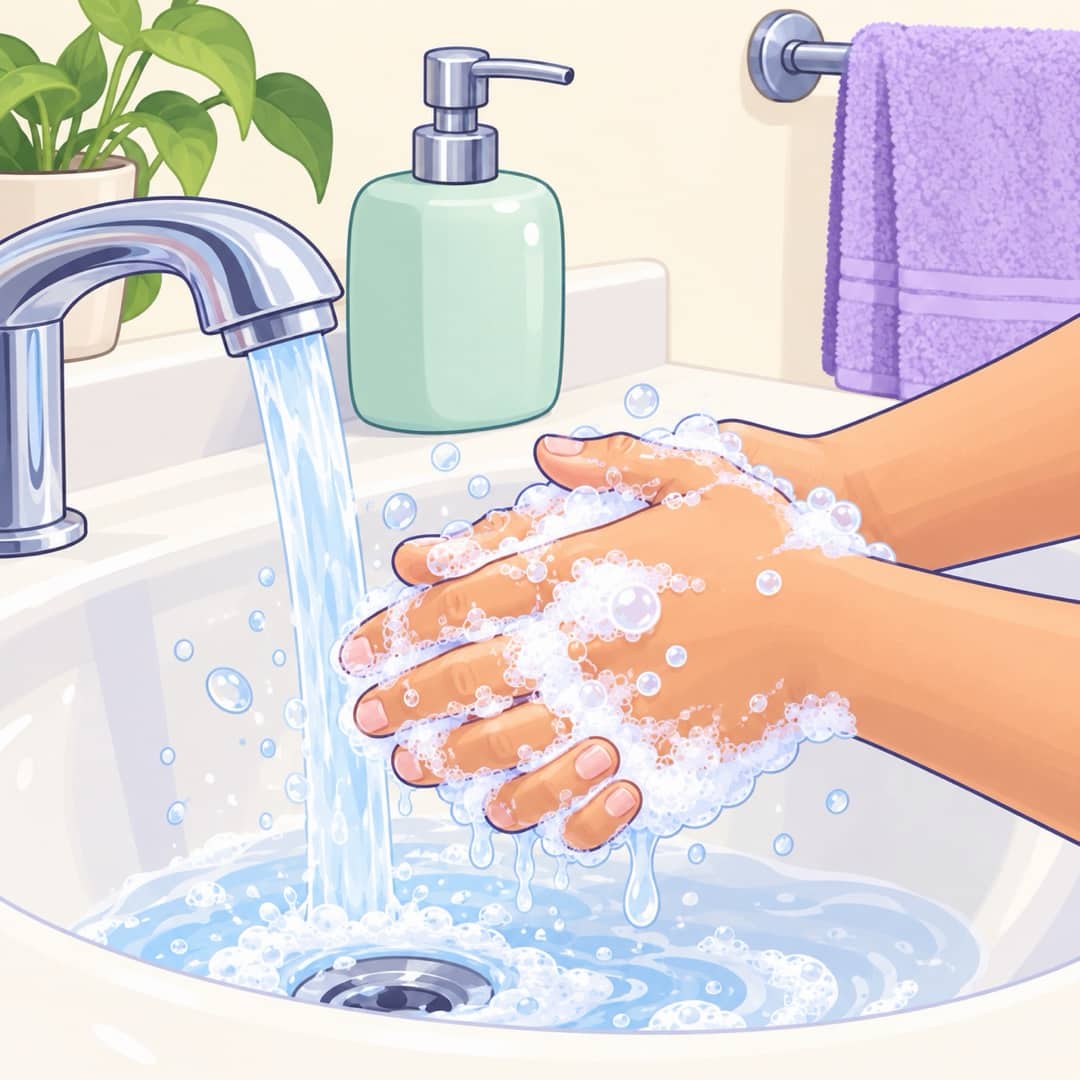
Wash hands thoroughly with soap and water, particularly after bathroom use and before handling food. Hand sanitizer alone doesn’t work well against norovirus- a common cause of vomiting and diarrhea. Avoid preparing food for others or caring for others while sick and for at least 48 hours after symptoms stop.
At Watkinsville Urgent Care, we can evaluate nausea, vomiting, and diarrhea, assess hydration, and look for signs that another level of care is needed. When you’re unsure whether to keep managing symptoms at home, we can help you decide the next step.
References
- NIDDK: Symptoms and causes of viral gastroenteritis.
- NIDDK: Treatment of viral gastroenteritis.
- NHS: Diarrhoea and vomiting.
- CDC: How to prevent norovirus.
- Watkinsville Urgent Care: Services.