A finger caught in a door? A toenail that hurts with every step? A hangnail that suddenly turns red and swollen. Small nail problems can cause surprisingly big discomfort—but when is it time to get help?
Your fingernails and toenails protect sensitive tissue underneath them. An injury or irritation along the nail’s edge can make ordinary activities uncomfortable, from typing a message to putting on your shoes. Here are three common situations and how to decide what to do next.
“I smashed my finger, and now the nail is dark.”
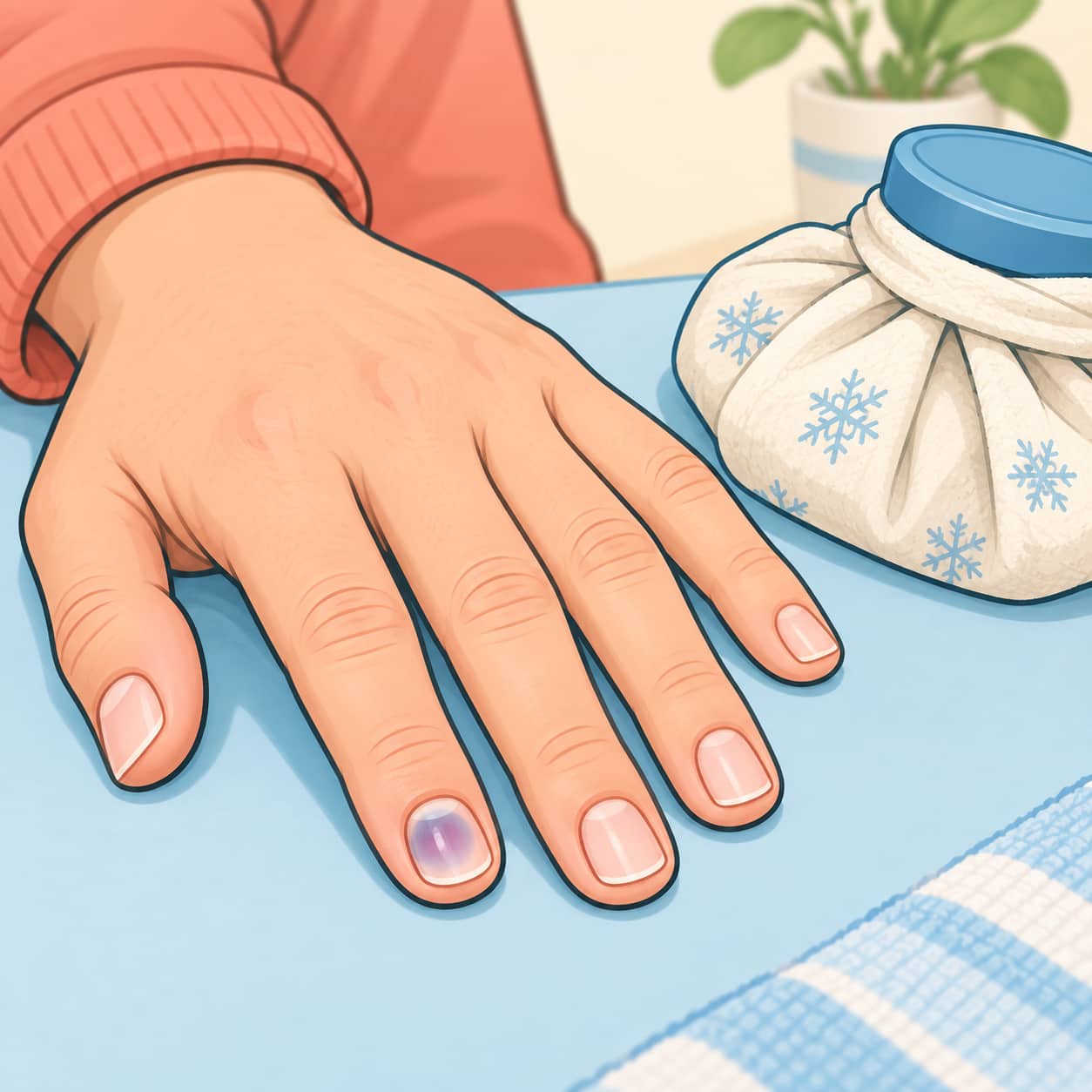
A dark spot after an injury may be blood trapped beneath the nail, called a subungual hematoma. Pressure can cause throbbing, and a crush injury can also damage the nail bed or break the bone underneath.
For a minor injury with an intact nail and mild discomfort, gently clean any small scrapes, elevate the hand, and use a cold pack wrapped in a cloth. Remove rings early, before swelling makes them difficult to take off.
Significant pain, a large bruise, a torn or lifted nail, or difficulty moving the finger deserves prompt evaluation. Depending on the injury, a clinician may recommend an X-ray, wound care, or drainage to relieve pressure. Don’t drill, puncture, or burn a hole in the nail yourself. You risk damaging the delicate structures underneath and infection.
“My toenail is digging into my skin.”
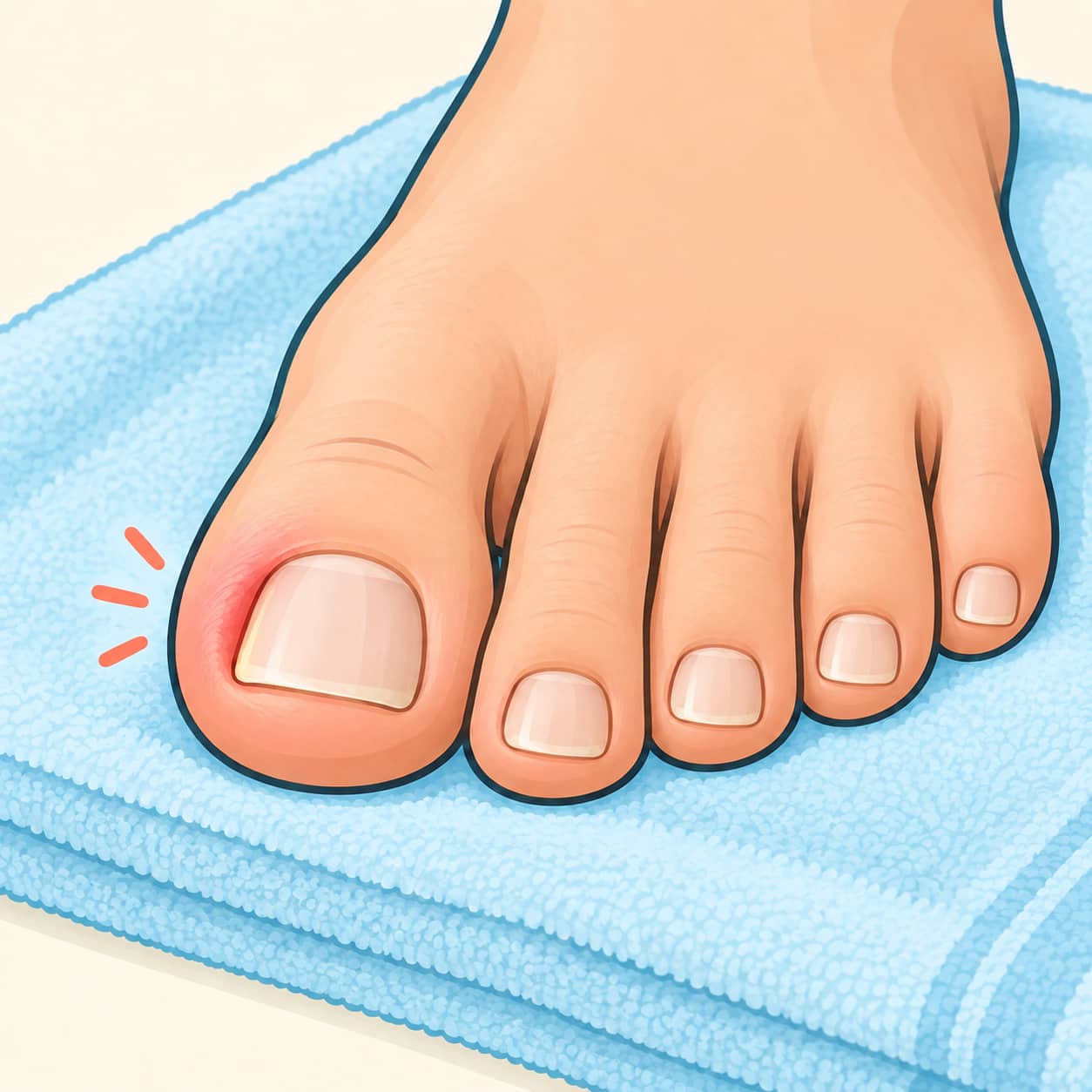
An ingrown toenail happens when the nail’s edge presses or grows into the surrounding skin. Tight shoes, trimming nails too short, and rounding the corners can contribute.
If irritation is mild and you otherwise have healthy feet, warm-water soaks followed by thorough drying and roomy footwear may help. Avoid digging into the nail’s edge or trying to cut out the painful corner yourself.
Get it checked if pain persists, symptoms worsen, or you notice drainage or spreading redness. Some cases need removal of part of the nail. If you have diabetes, poor circulation, or reduced feeling in your feet, contact your clinician promptly rather than treating an ingrown nail yourself.
“The skin around my nail is red and swollen.”
A tender, swollen area beside a nail can be paronychia—an infection around the nail. It can start after nail biting, picking a hangnail, or injuring the cuticle during a manicure.
Warm-water soaks may ease a mild case. Keep the area clean and dry between soaks, and avoid picking or squeezing it. Pus, increasing pain, or symptoms that aren’t improving deserve evaluation. Treatment may include drainage or medication, depending on what the clinician finds.
When should you get help right away?
Seek same-day care for spreading redness, red streaks, or fever with a nail problem. For a serious injury with uncontrolled bleeding, a visibly deformed finger or toe, or new loss of feeling or movement, seek emergency care.
At Watkinsville Urgent Care, we can evaluate and treat nail injuries, ingrown toenails, and other wound concerns. We can assess what’s going on, discuss treatment, and help arrange follow-up when needed. A small problem doesn’t have to become a bigger interruption to your day.
References
- MedlinePlus: Nail injuries.
- MedlinePlus: Ingrown toenail.
- MedlinePlus: Paronychia.
- MedlinePlus: Cuts and puncture wounds.
- Watkinsville Urgent Care: Services offered.